
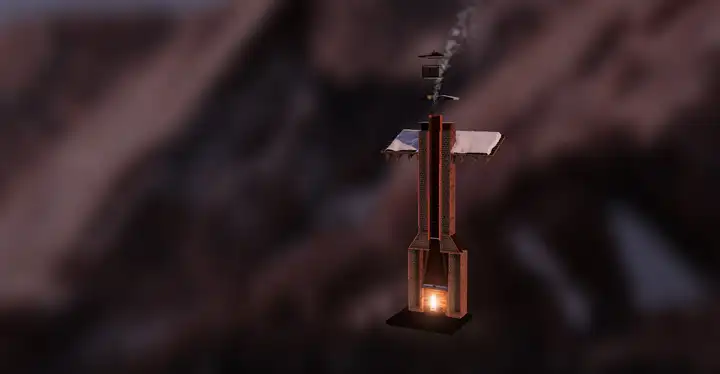
Chimney inspections in Littleton.
We check the chimney from cap to firebox so a small fault is caught before it grows. Call the office, or book online whenever it suits you.
- reviews on Googleas of
Office Mon to Fri 7 AM to 7 PM, Sat 8 AM to 5 PM. Book online any hour.Office open now, until Office opens . Book online now.
- Book onlineAny hour
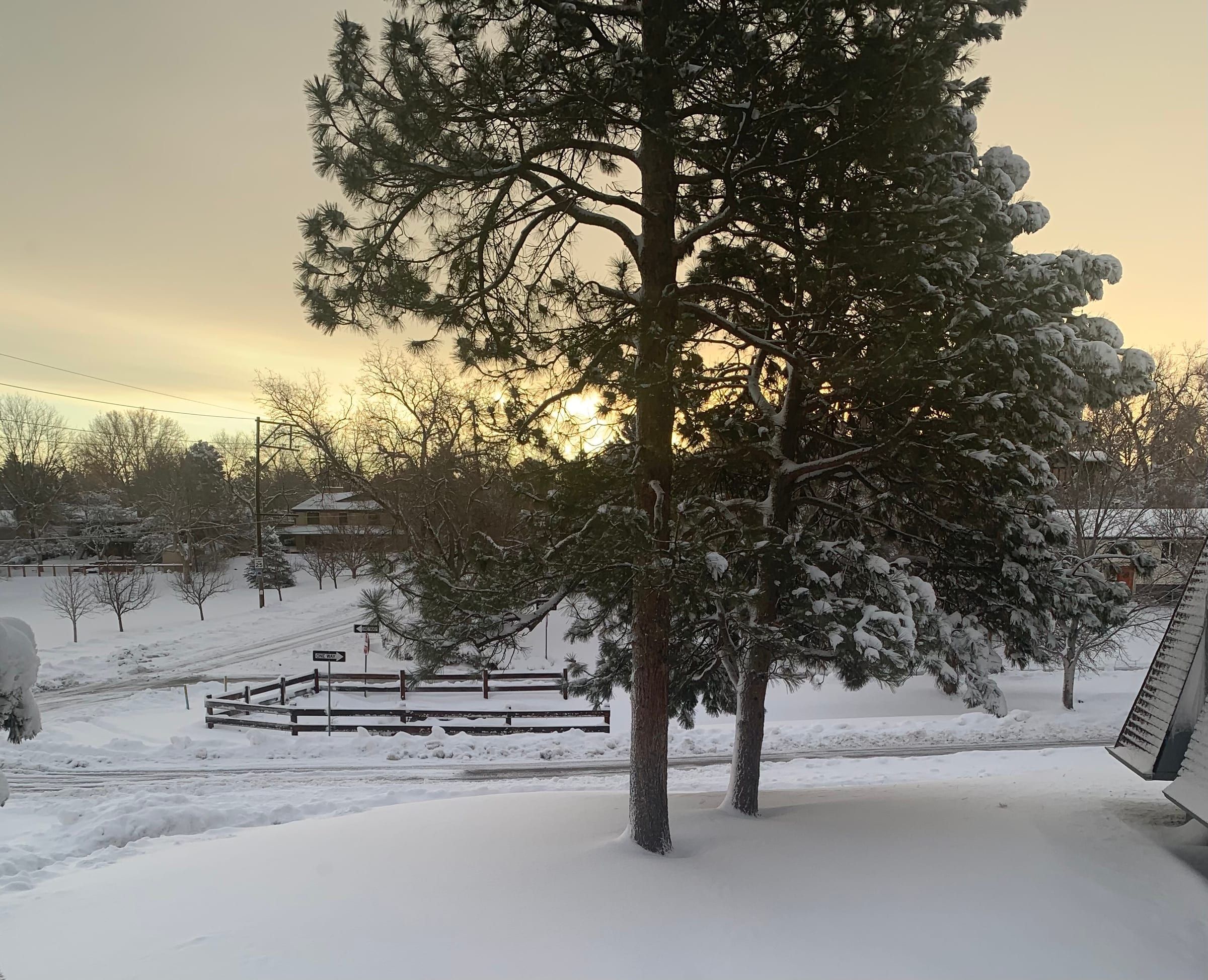
Photo: Littleton Snow, Hu Nhu, CC BY-SA 4.0
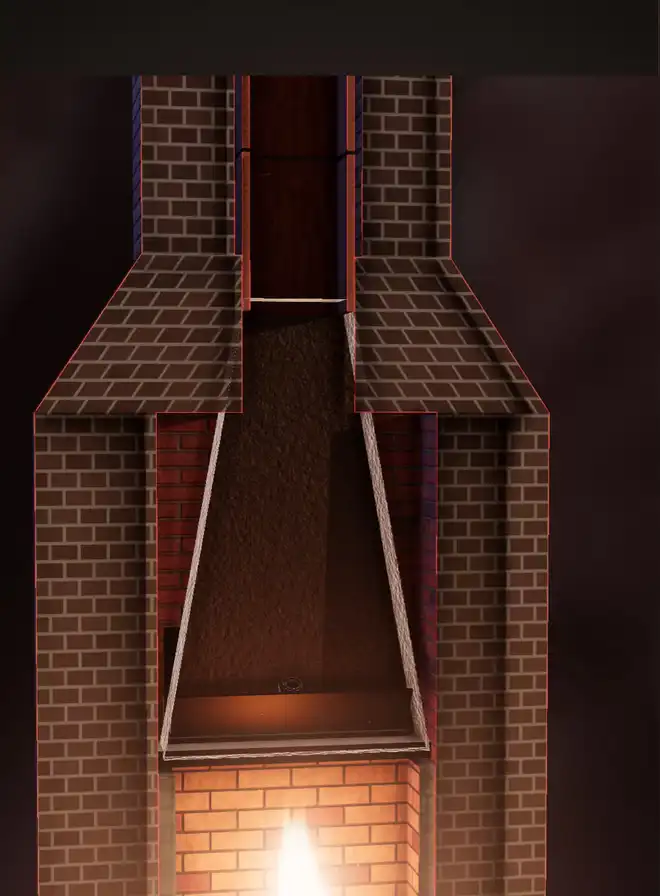
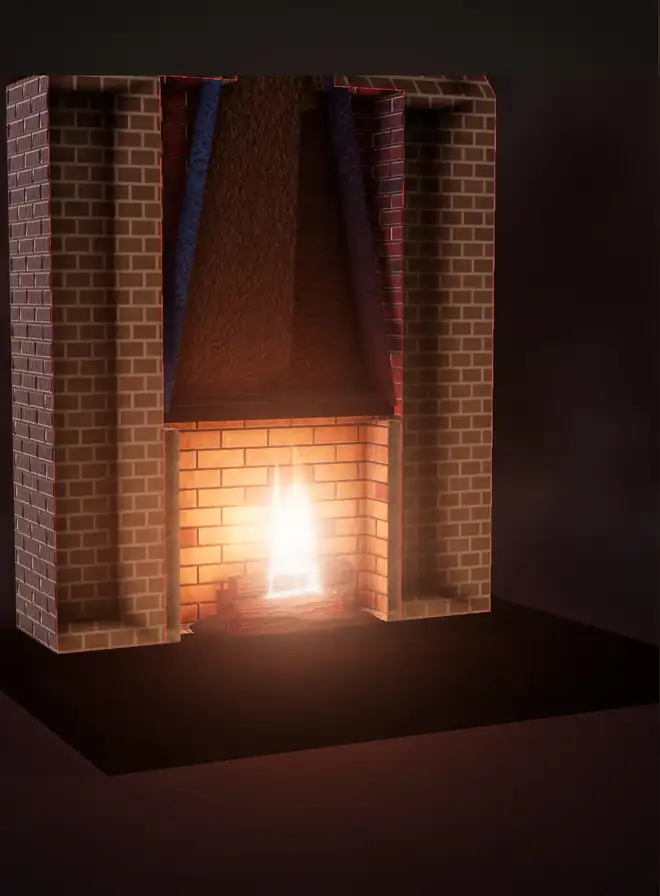
What an inspection covers.
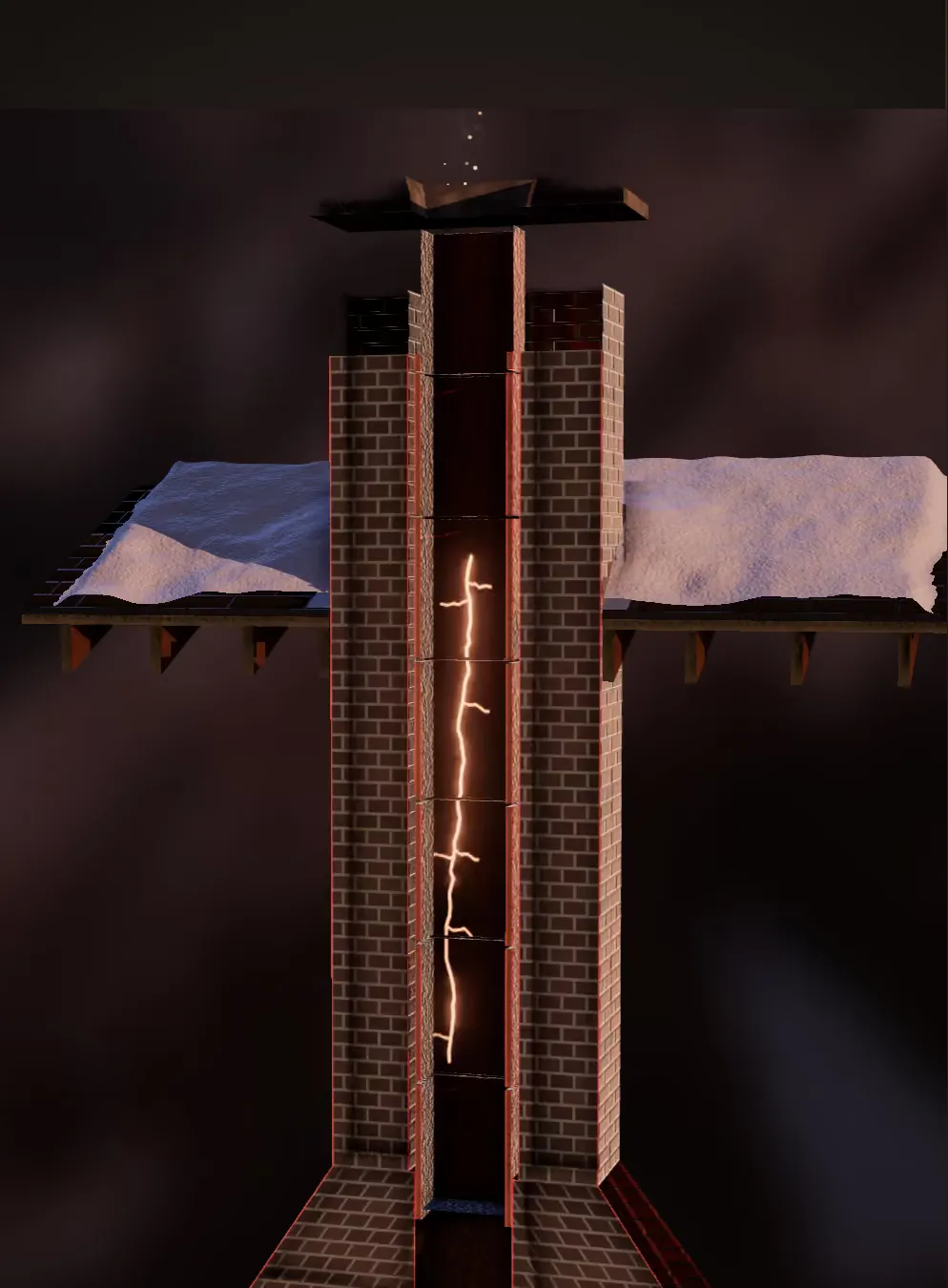
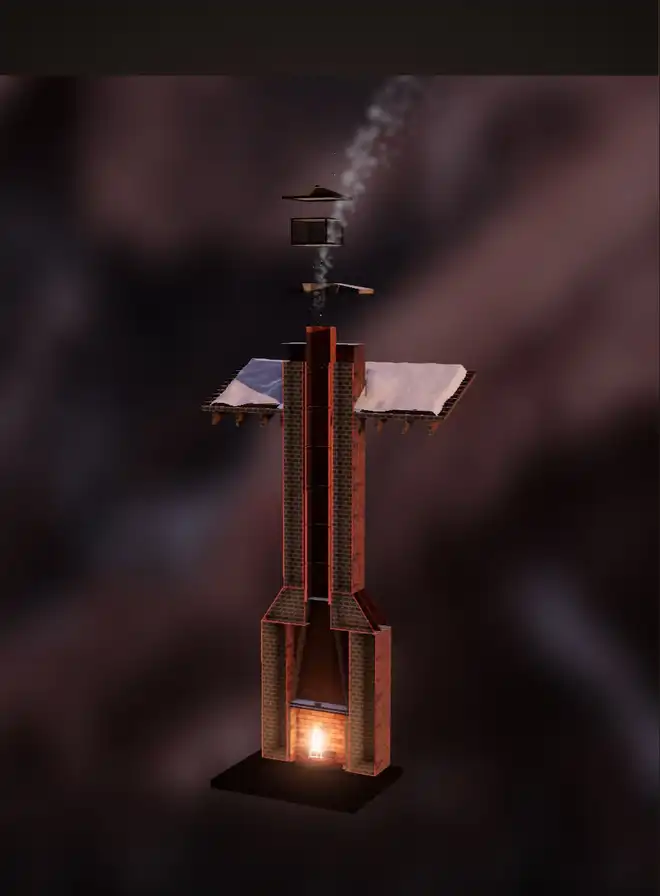
Six parts, from the cap down to the firebox.
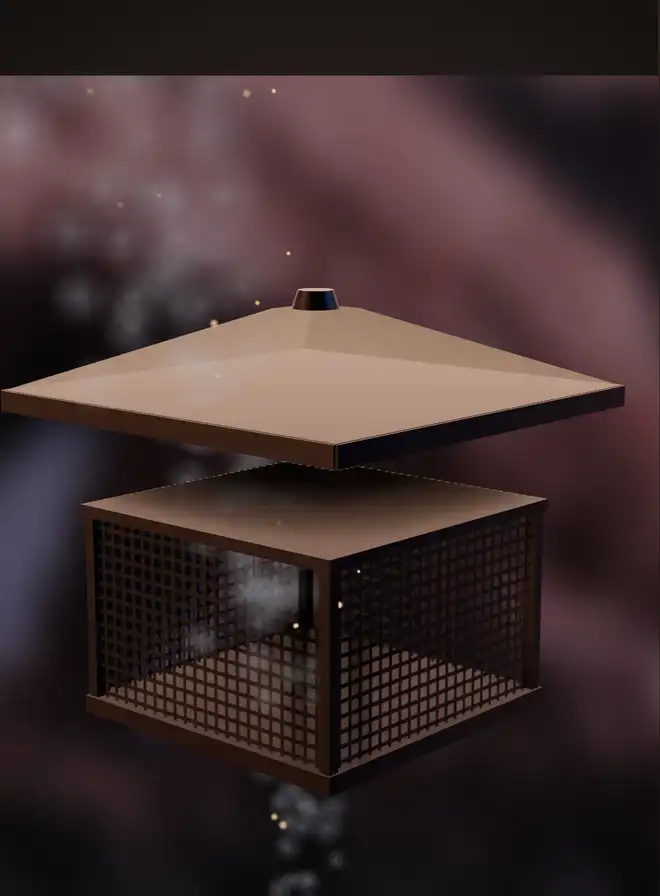
Cap
First thing the weather hits
A cap is the first surface that hail and wind reach. Its mesh keeps birds, squirrels and drifting embers out of the flue, and its lid shuts out rain and snow.
We check: hail dents, loose fasteners, rust, mesh that has gone slack or clogged.
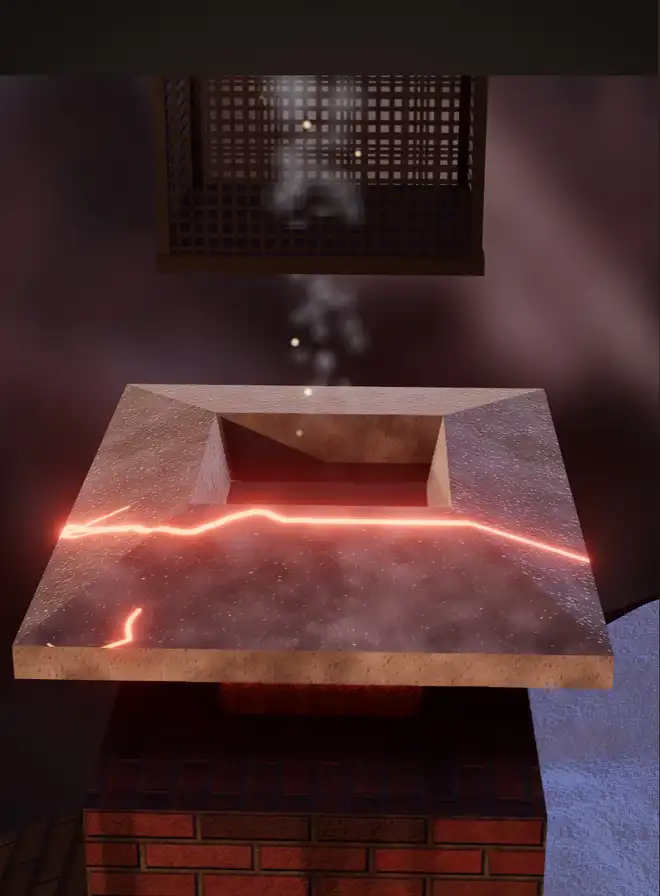
Crown
The slab on top
Ice takes up about 9% more room than the water it came from, so a hairline crack that fills and freezes is forced wider. In Littleton the average low stays under freezing from November through March.
We check: hairline cracks, crumbling edges, a gap where the slab meets the flue tile.
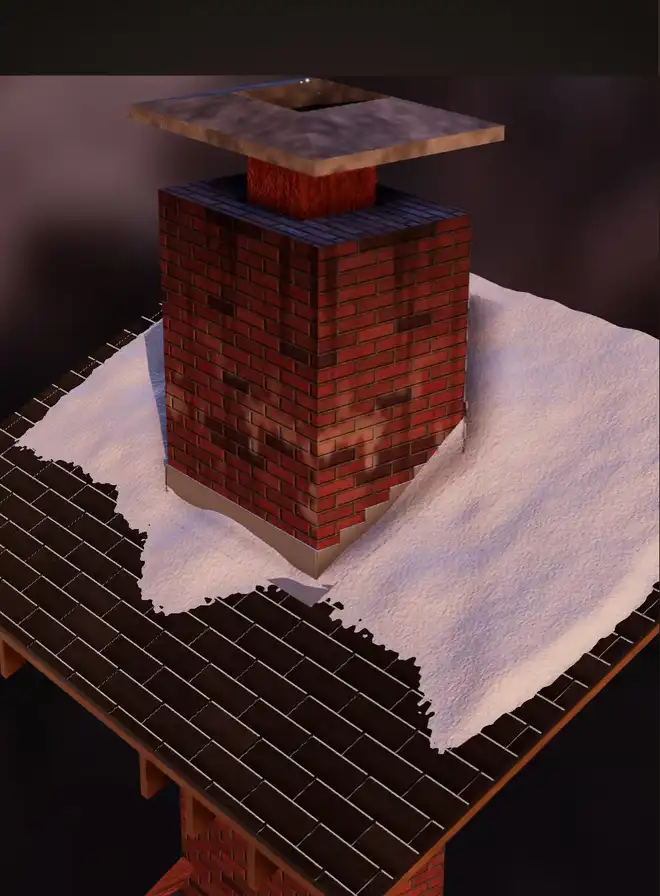
Flashing
At the roofline
A collar of metal and sealant closes the joint between chimney and roof. Snow that sits on the roof through a week of thaws and freezes tests that seam harder than a rainstorm does.
We check: lifted edges, dried-out sealant, rust, brown stains on the attic side.
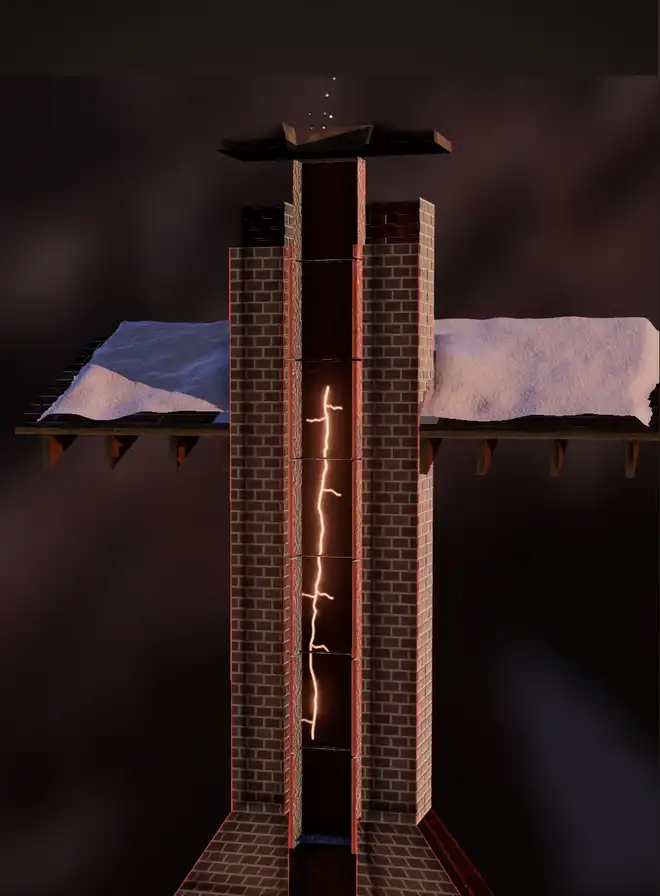
Flue liner
Up the middle
The liner carries smoke and combustion gases up and out. The median home in Littleton was built in 1982, so many liners are into their fourth decade and deserve a camera look.
We check: cracked or shifted tiles, open mortar joints, a liner that is the wrong size for the stove or insert.
Smoke chamber and damper
Above the damper
Soot and creosote collect on the smoke shelf first. The Chimney Safety Institute of America puts the point to sweep at a deposit 1/8 inch thick.
We check: glazed or tarry deposits, a damper that shuts tight, a smoke shelf that is crumbling.
Firebox
The hearth end
Fire hits the firebrick and its mortar joints head-on. A gap in a joint is a quick fix today and a masonry rebuild once heat has worked into the wall behind it.
We check: open joints, cracked or flaking firebrick, a level hearth.
Three levels of inspection.
NFPA 211, the standard for chimneys, fireplaces and vents, sets out three levels, each going further than the one before.
Level 1
A chimney in regular use, with no change to how it is used.
Covers The parts of the chimney that can be reached and seen.
Level 2
When the property is sold or transferred, when the system has been altered, and after a chimney fire or a similar event.
Covers Level 1, plus the attic and crawl space and a camera run up through the flue.
Level 3
When something dangerous is suspected and Level 2 has not ruled it out.
Covers Everything in Level 2, plus hidden areas, which can mean opening up part of the structure.
Source: NFPA 211.Book an inspection
When to book one.
Waiting for a symptom is the late way to find out. These are the moments that call for an inspection.
In early autumn, before the first fire.
A yearly inspection is NFPA’s recommendation, and early autumn, ahead of the first fire, suits it well.
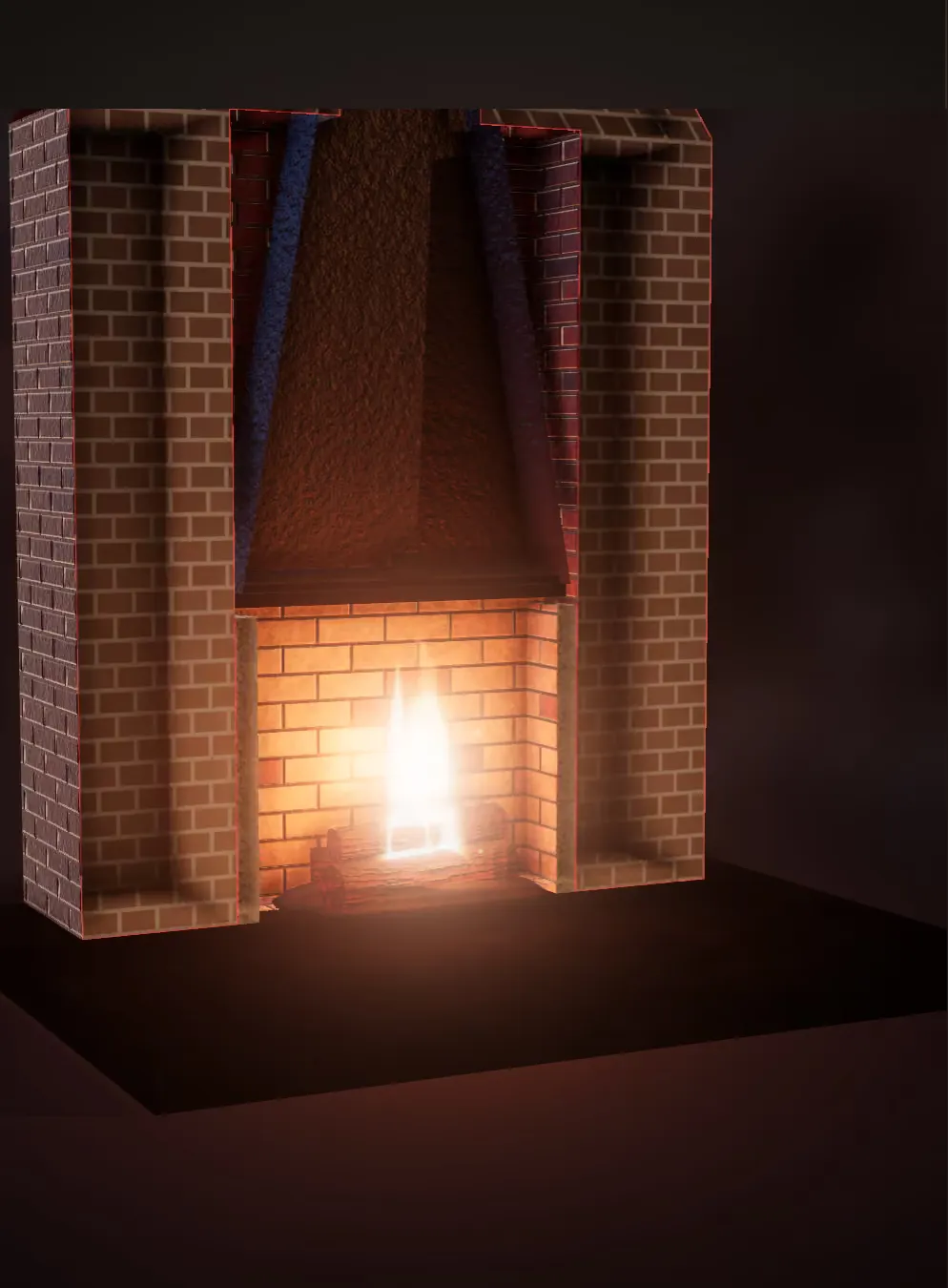
Illustration After a chimney fire.
NFPA 211 asks for a Level 2 inspection after a chimney fire, and after any other event that could have damaged the system.
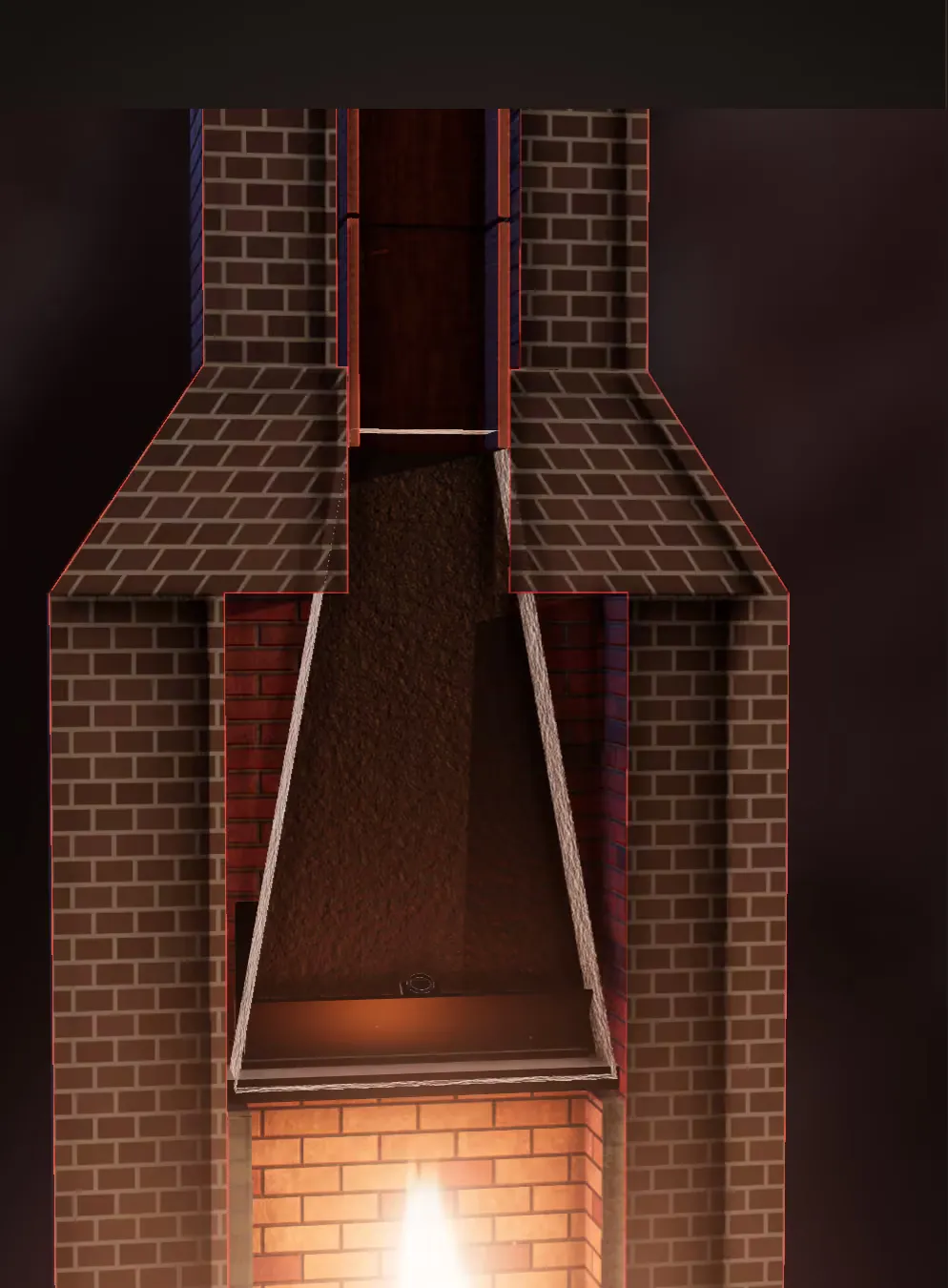
Illustration After a hailstorm or a heavy snow.
Hail and wind strike the highest parts of a roof first, which means the cap, the crown and the flashing. On May 8, 2017, hail up to baseball size fell across the Denver metro area (NWS Boulder), and on March 13 and 14, 2021 the I-25 corridor took 18 to 30 inches of snow.
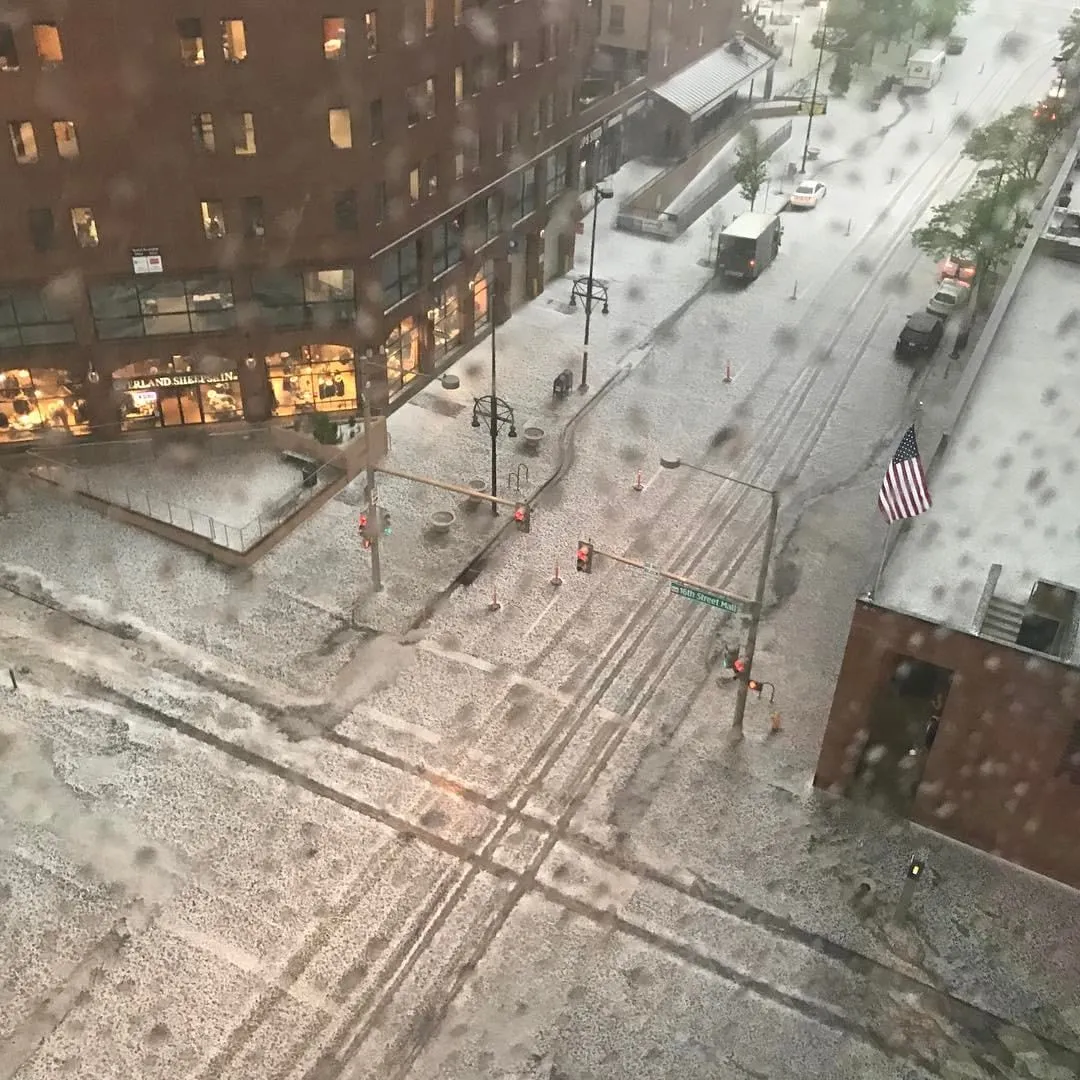
Photo: Denver Hail Storm 08May2017, Len Edgerly, CC BY-SA 2.0
Questions about inspections.
Plain answers, and the source where there is one.
Is a yearly inspection really needed?
Once a year, according to NFPA. Sweeping is separate and follows your burning: the Chimney Safety Institute of America advises it at a 1/8 inch deposit, sooner if the surface is shiny.
Is an inspection needed when a home is bought or sold?
NFPA 211 calls for a Level 2 at a sale or transfer. It goes past the reachable parts of a Level 1 to cover the attic, the crawl space and a camera pass through the flue.
What does an inspection look at?
The inspection walks the system from the roof down: cap, crown and flashing first, then the liner, the smoke chamber with its damper, and the firebox. What is checked on each part is listed above.
How do I book an inspection?
Phone (720) 792-3635 (Mon to Fri 7 AM to 7 PM, Sat 8 AM to 5 PM), or send the form on this page at any hour.

Book a visit.
Describe the problem on the form, or simply phone, and we will call back to set a time.
- 1Ask Phone the office or send the form.
- 2Callback We ring back to set a time that suits you.
- 3Visit We work down the chimney, cap first.
- 4Your call You decide what is done, and when.
Online
At any hour, by form
Photo: Roxborough Panorama, Footwarrior, CC BY-SA 3.0
Ready for the first fire of the season, or worried by something you saw up there?
Office Mon to Fri 7 AM to 7 PM, Sat 8 AM to 5 PM. Book online any hour.Office open now, until Office opens . Book online now.
Book online